A new sensor for detecting PFAS in water: the METASENSE project

PFAS, also known as forever chemicals, are among the most difficult pollutants to detect and remove. Found in water, soil and ecosystems, they resist degradation and can accumulate over time, with potential effects on health and the environment.

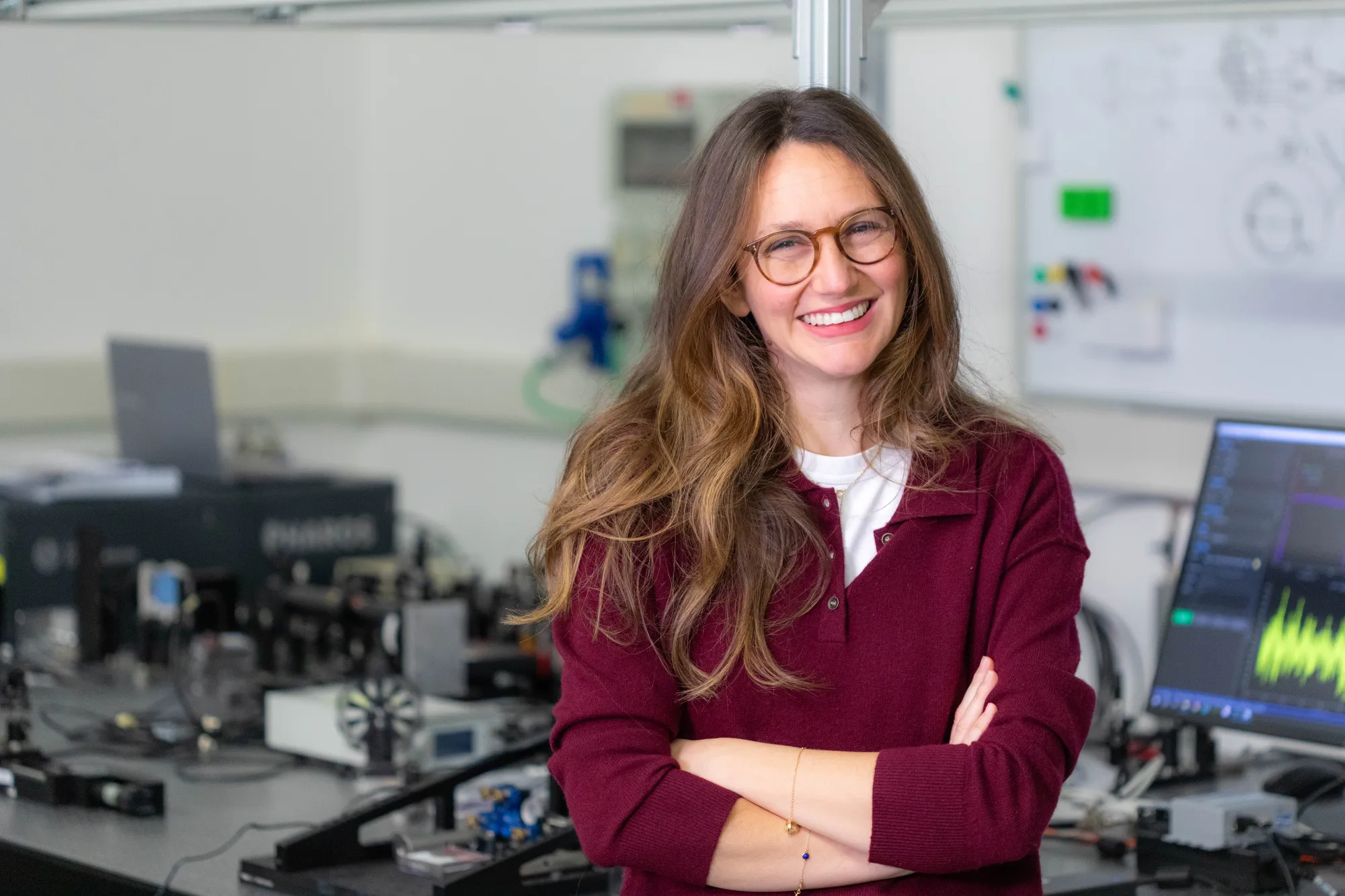
It is within this context that METASENSE, the project led by Margherita Maiuri, a lecturer in the Department of Physics, aims to develop a compact and reusable device for monitoring PFAS in water.
Associate Professor in the Department of Physics

How METASENSE came about

METASENSE arose from a collaboration with colleagues from the Department of Chemistry and the coming together of diverse areas of expertise.


At the heart of the project are PFAS, chemicals used primarily in industry to make materials non-stick or resistant to heat, chemicals and wear and tear. The problem arises when these substances are released into the environment: they are difficult to remove and tend to accumulate, particularly in water.

They can be found in water intended for domestic use, in irrigation water and even in drinking water. Even at very low concentrations, they pose a risk, making the development of rapid and effective detection methods essential.

The aim of the project

The aim is to develop a compact device incorporating a nanosensor based on metasurfaces, structures that are extremely sensitive to changes in the environment.

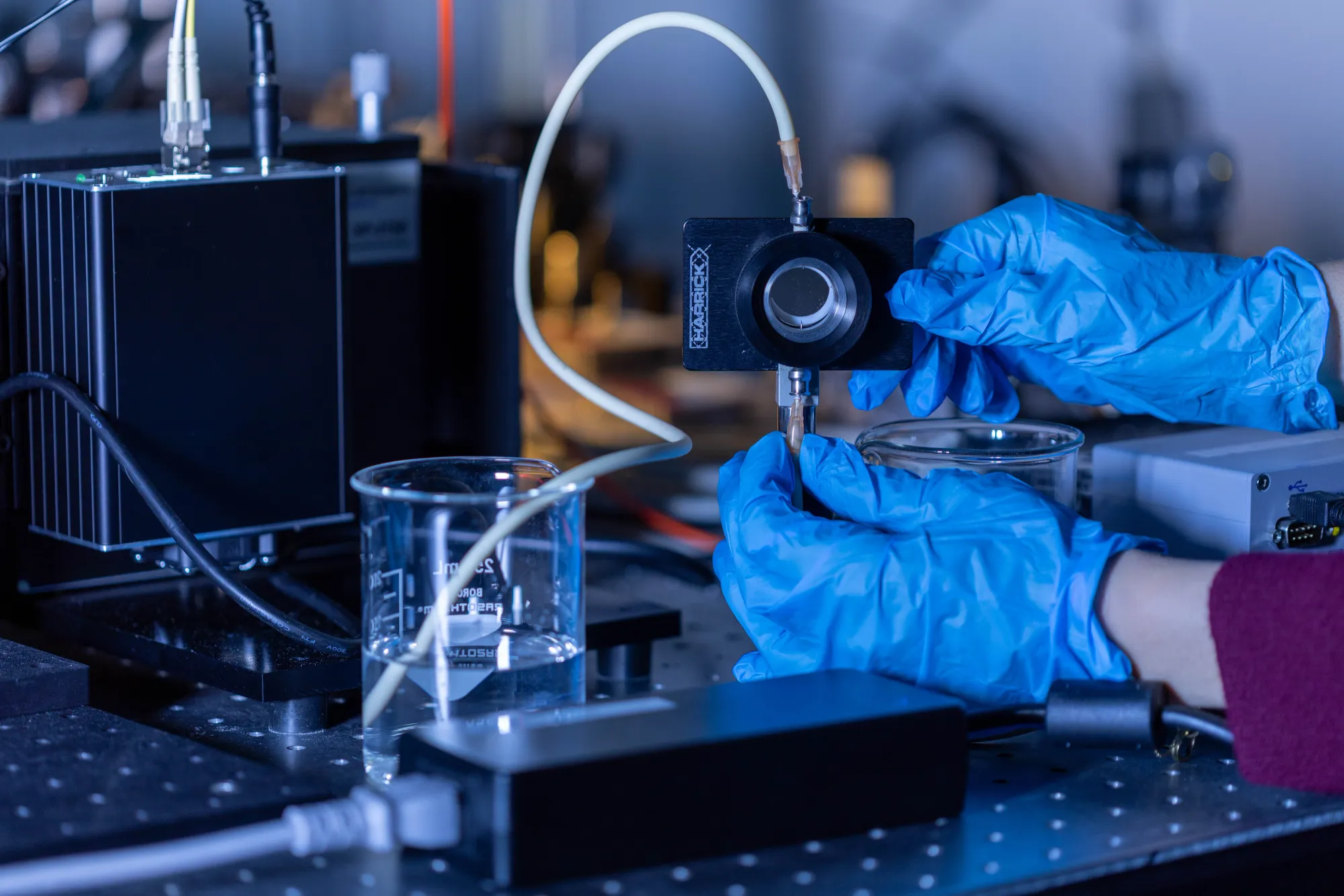
The device operates by measuring optical signals that vary rapidly when the sensor is exposed to chemical changes. By analysing, for example, a water sample introduced into a fluidic circuit, it is possible to observe how the sensor’s response changes depending on the concentration of the substance to be detected.

The higher the concentration, the more pronounced the variation in the signal will be. The real challenge, however, lies in pushing towards very low detection limits, where differences are minimal and highly sensitive instruments are required.

METASENSE therefore aims to develop a real-time, portable, compact and reusable technology. Unlike disposable tests, the sensor can be cleaned and reset to its initial state, so that it can be used multiple times without having to replace components after each measurement.

The device is currently being tested. In particular, as Maiuri explains, it has been tested on real samples – such as tap water – and the initial results show promising performance, in line with the limits required by European regulations.

If validated, the device could be used for environmental monitoring, remediation, monitoring industrial discharges and, in the future, even in contexts more closely related to everyday use. The aim is to provide a rapid tool to support informed decisions on water use.

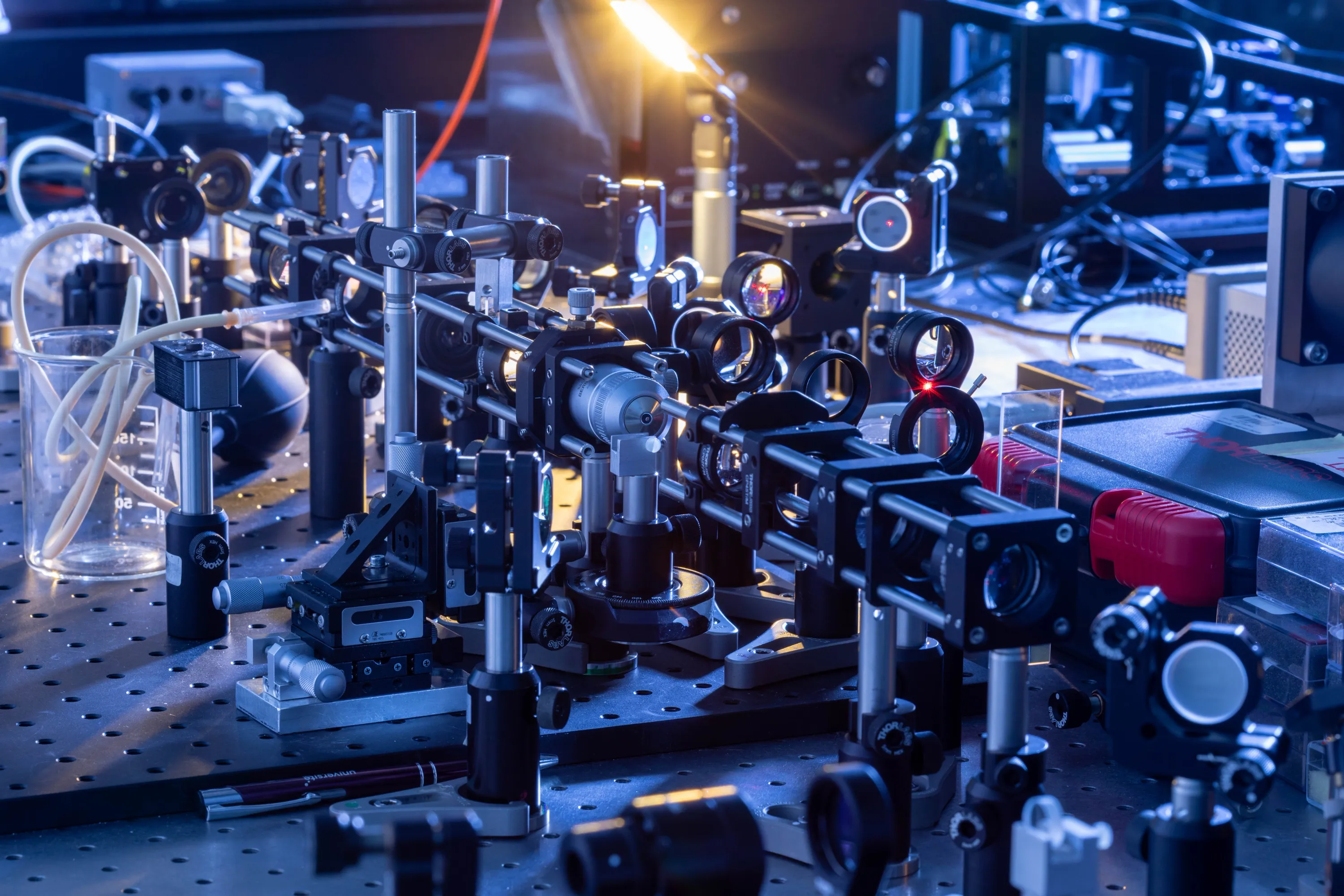
A preliminary platform for optical sensing, forming the basis for the development of the META-SENSE device.

METASENSE on the path to a patent

Through an ERC Proof of Concept grant, Margherita Maiuri aims to bring the device to market.

“METASENSE stems from a platform developed through basic research,” explains Maiuri. “In my ERC project, we use metasurfaces to study and modify ultrafast chemical reactions. During these studies, we realised how extremely sensitive they are to the environment. This is where the idea came from: if this sensitivity is so high, then it can also be exploited for the detection of chemicals in water.”

The project thus serves as an example of how basic research findings can evolve into concrete, high-impact applications.

The ULYSSES laboratory

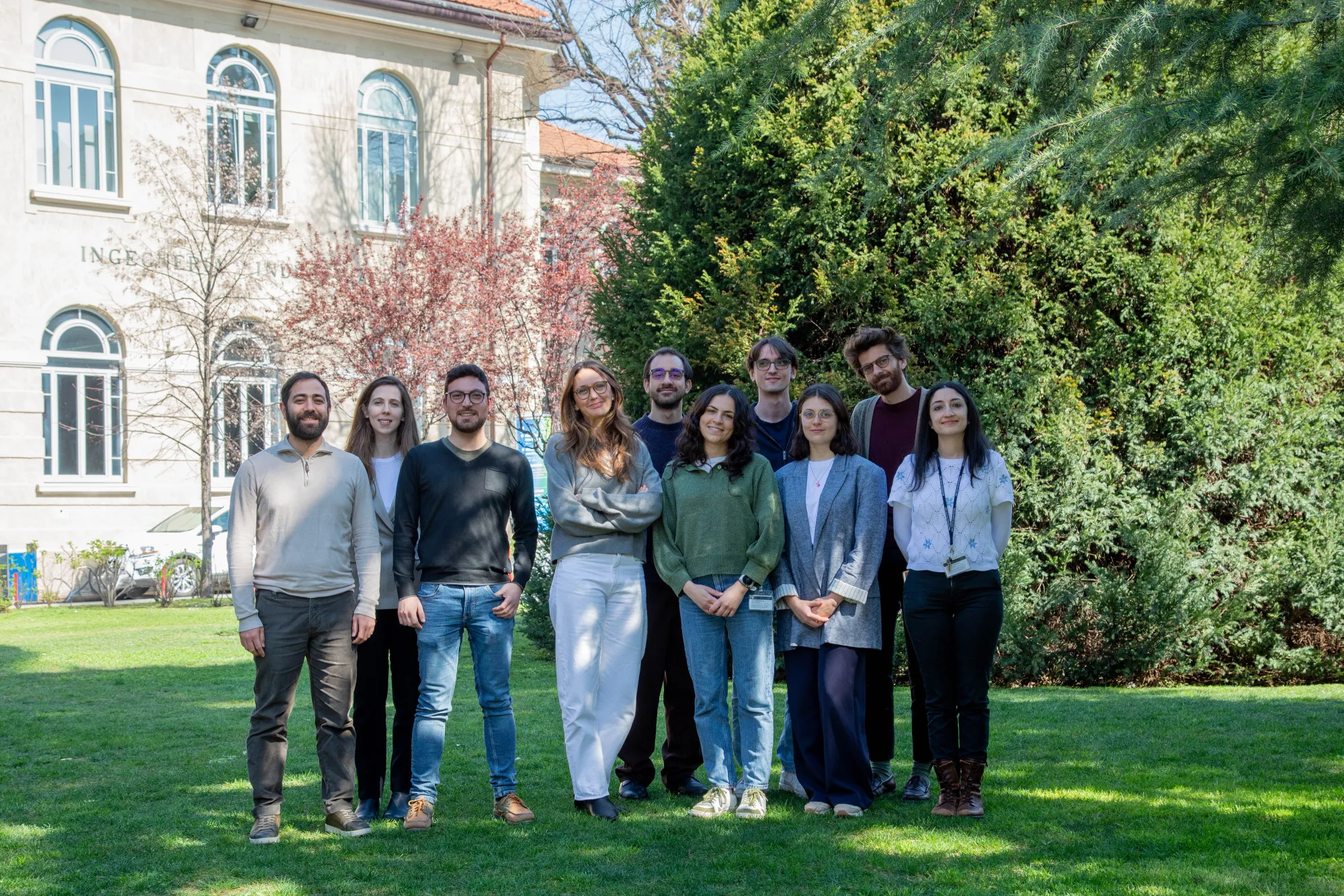
Maiuri has also established a new research environment, ULYSSES, a shared space designed to grow over time. The laboratory involves around ten people, including postdocs, PhD students and undergraduates, who work in close collaboration.

The ULYSSES research group at the Politecnico di Milano

A word of advice for aspiring female researchers

It is important to chart a course that aligns with your own interests, without compromising on your ambitions. Priorities may change over time: whilst laboratory work may be all-consuming at first, other responsibilities will eventually come into play.

Flexibility, adaptability and a strong support network are therefore essential.

Share on: