
SemiSpin
SemiSpin
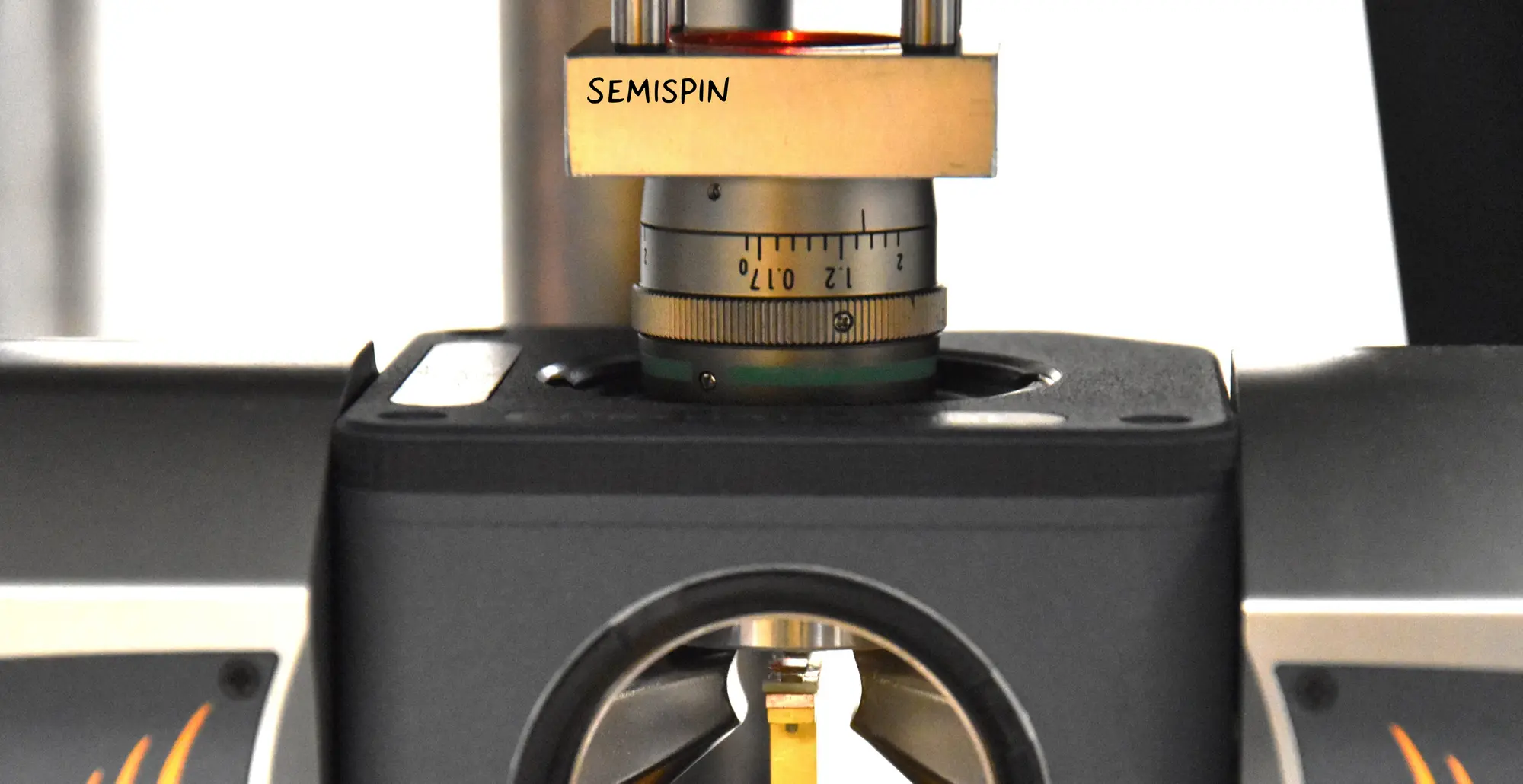
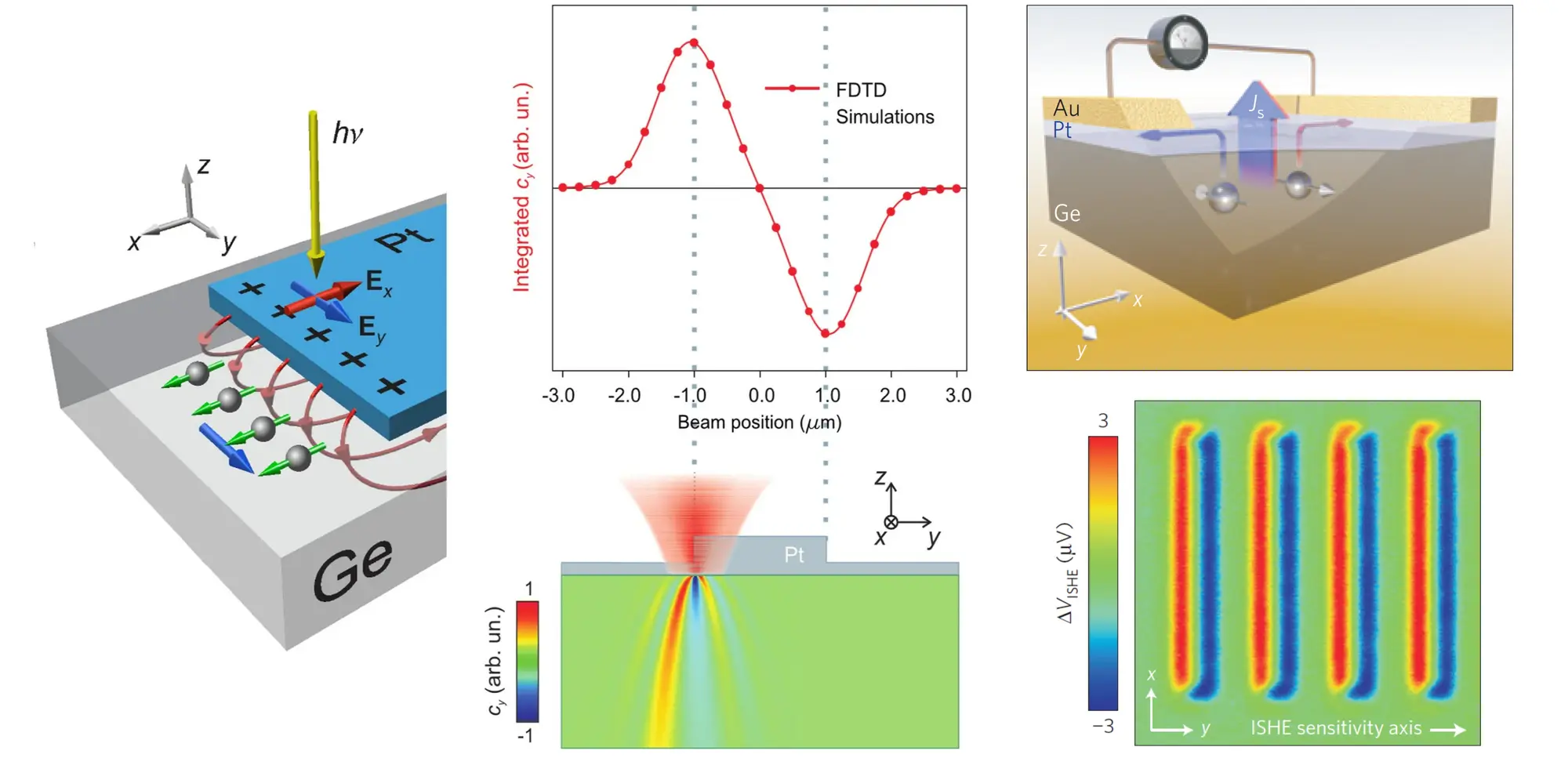
The SemiSpin Laboratory, within the surface physics group, is focused on spintronics and spin-orbitronics in group-IV semiconductor heterostructures and topological-insulator/semiconductor systems, with an eye on concepts that can be translated into silicon-compatible devices. We investigate how angular momentum (spin and, increasingly, orbital) can be generated, transported and manipulated in engineered materials, and how it can be converted into robust electrical signals through interfacial spin-charge phenomena.
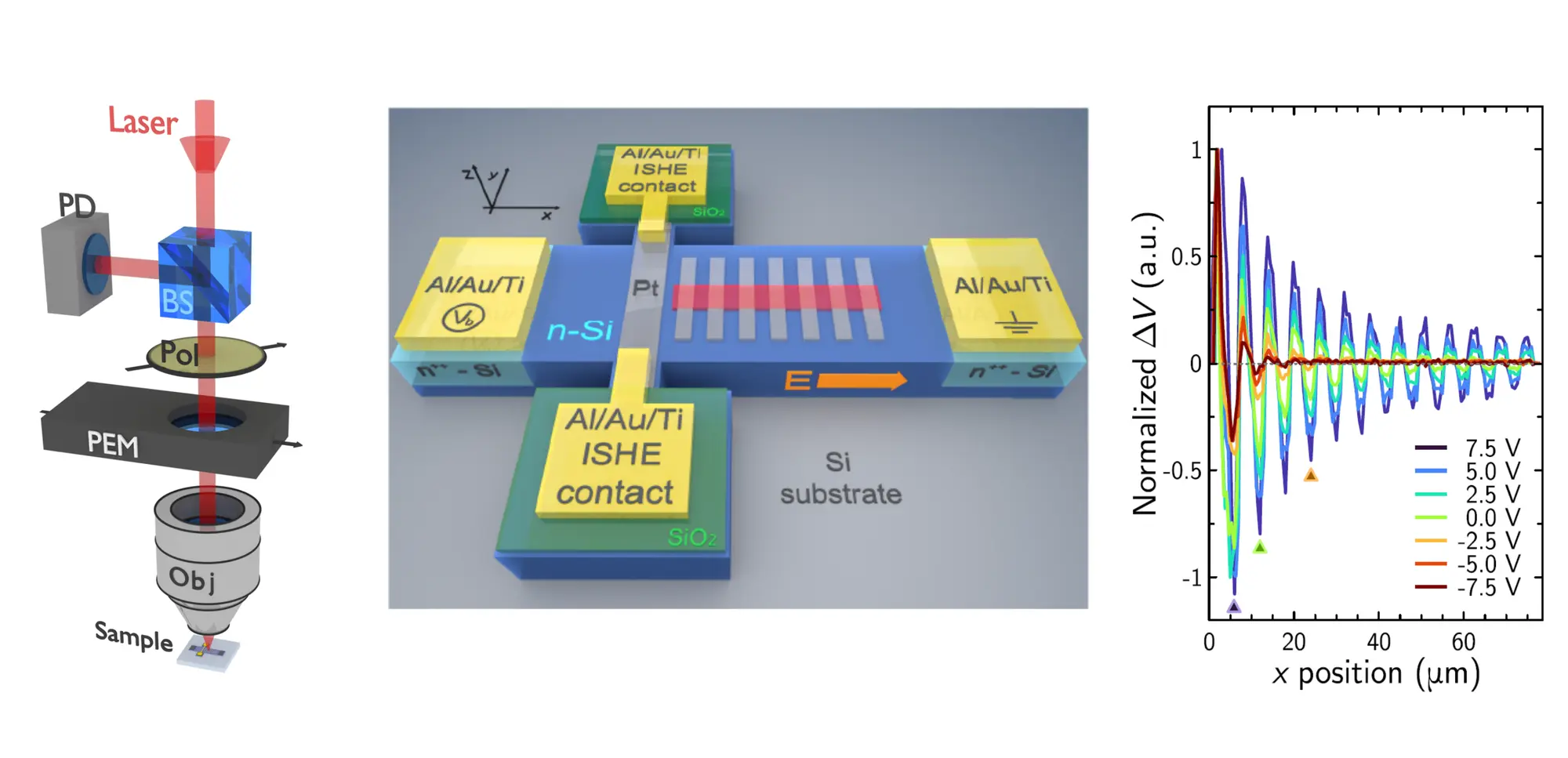
A central theme is the development of ultra-low-power device functionalities enabled by spin-charge interconversion and by the unique properties of topological and low-dimensional states, aiming at scalable architectures that can operate at room temperature. In parallel, we study spin-current generation, detection and modulation in Si/Ge/SiGe platforms, leveraging band-structure engineering and electric-field control to access drift-diffusion regimes of spin transport in non-local architectures. Alongside these directions, we explore light-activated processes in semiconductors and at their interfaces, combining electrical readout with operando optical probes to reveal photo-induced mechanisms relevant for functional devices like sensors and near-infrared photodetectors.
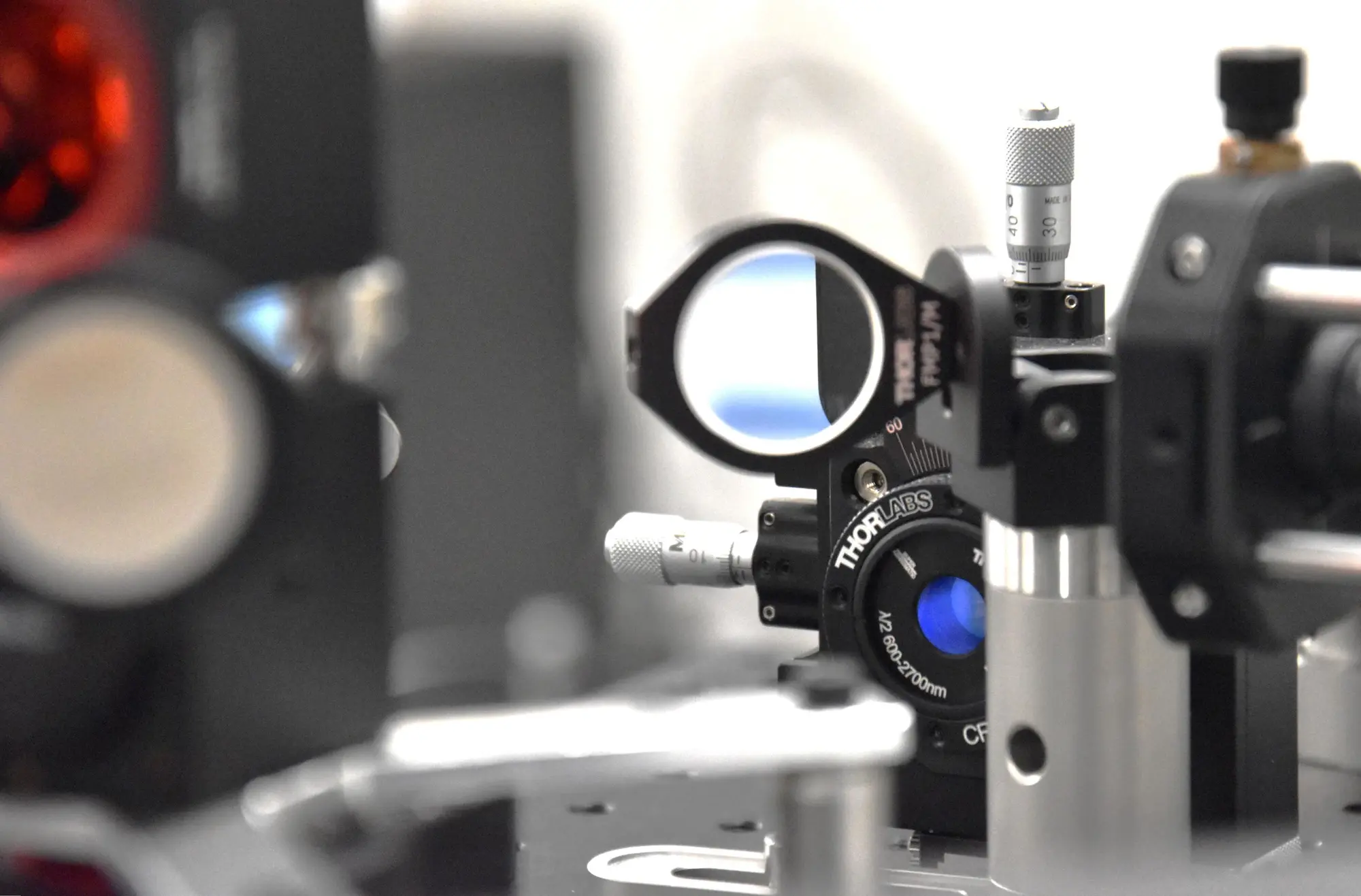
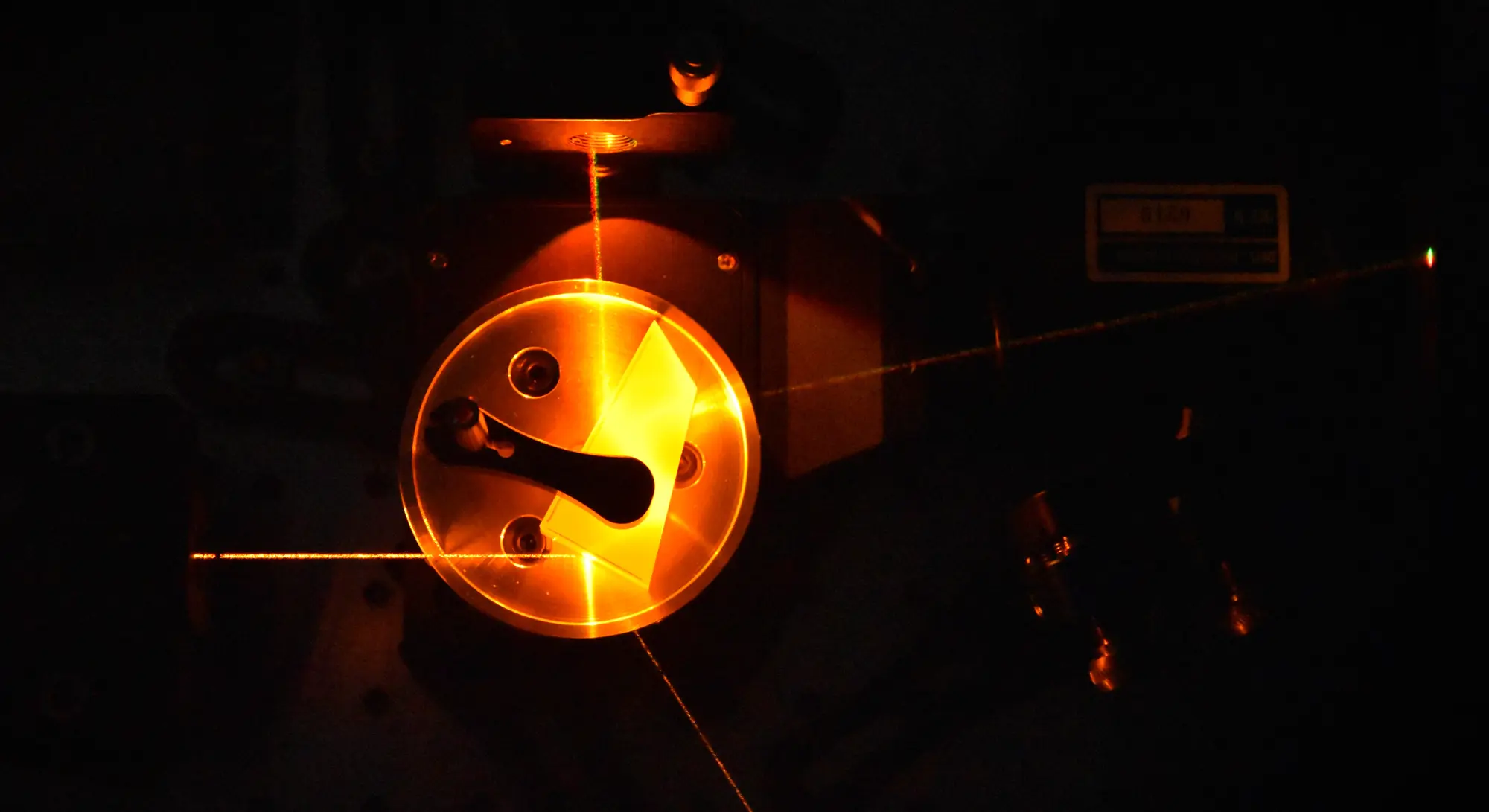
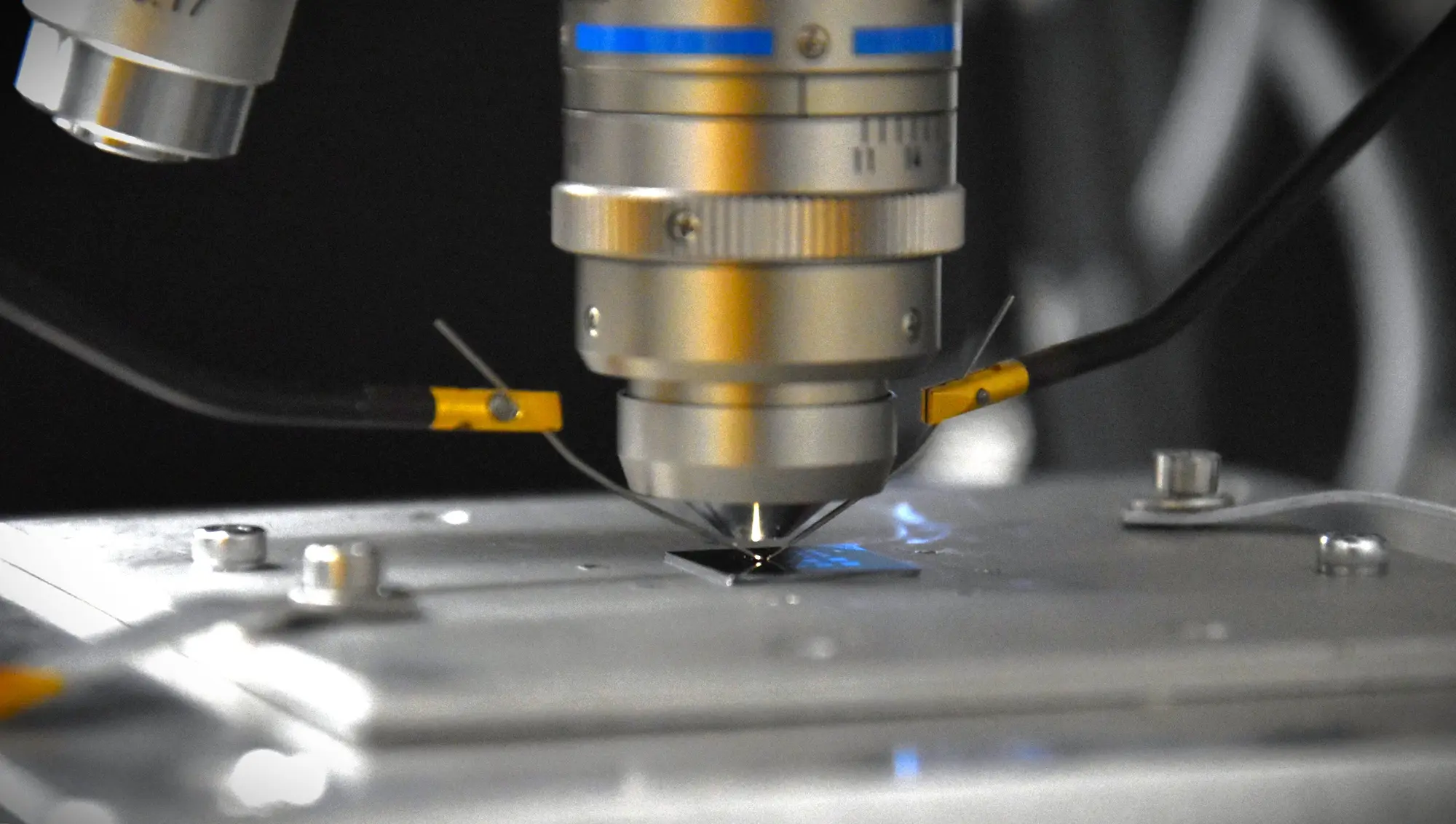
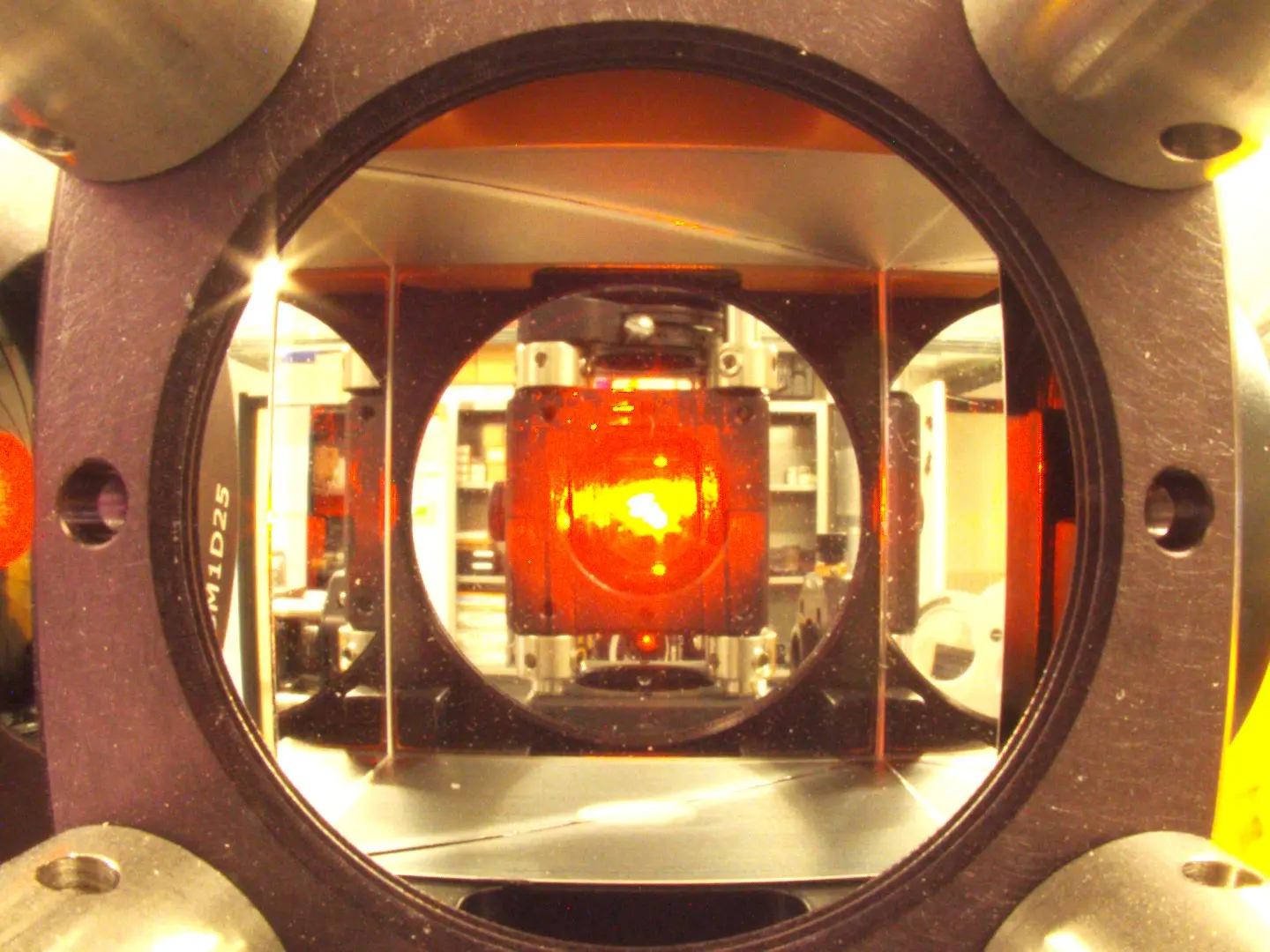
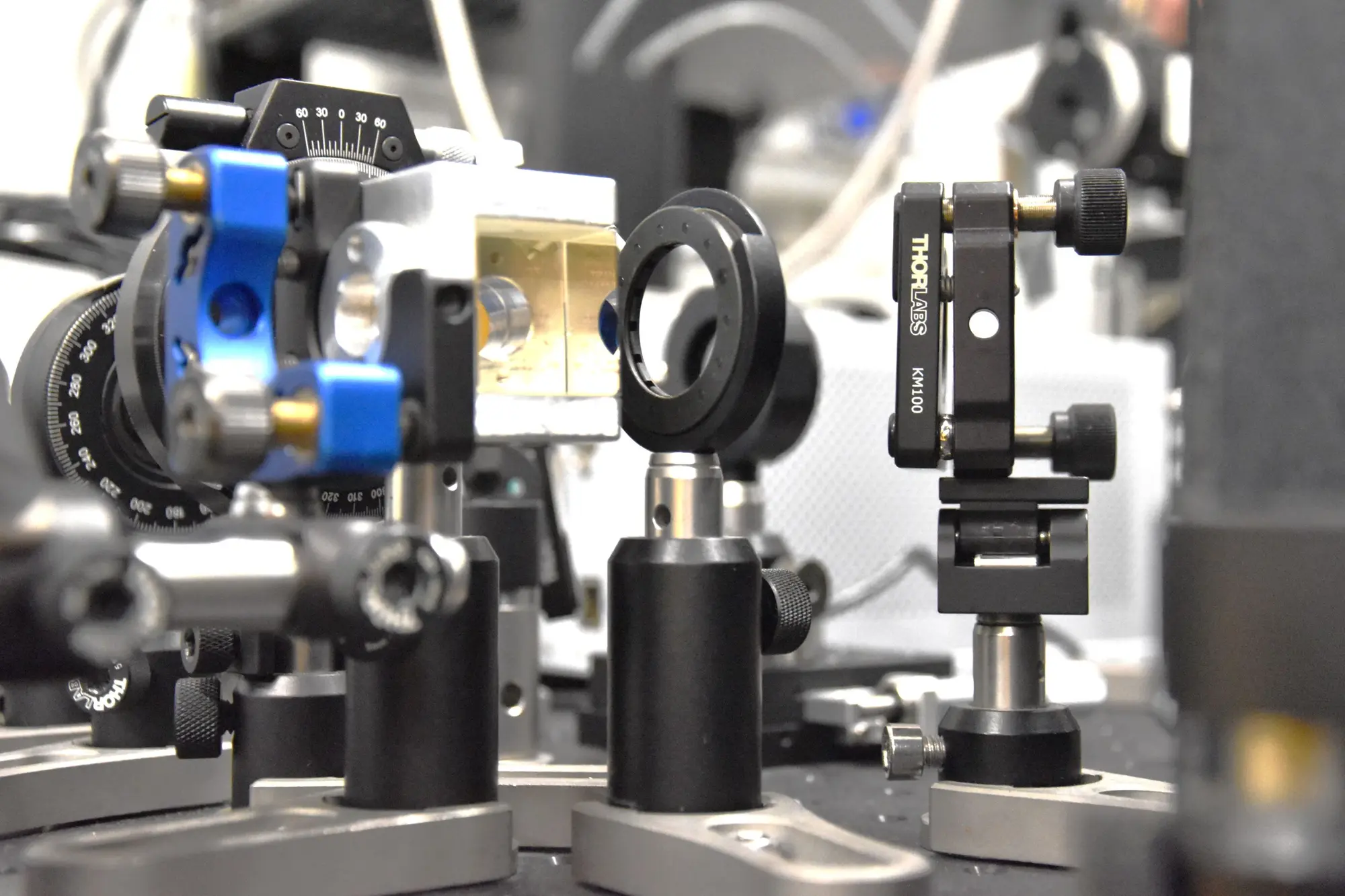
These activities are enabled by an experimental infrastructure designed to couple optical excitation, microscopy and transport on the same platform. The lab operates tunable laser sources from the visible to the mid-infrared, cryogenic cryostats down to 4 K with magnetic fields up to 1 T, and microscopy capabilities (including confocal and Kerr-based schemes where relevant) to access local and non-local phenomena with spatial control. This combination allows us to connect materials growth and interface engineering to quantitative figures of merit—such as spin lifetimes and diffusion lengths, and spin-/orbital-to-charge conversion efficiencies—in technologically relevant nanostructures.If you would like to learn about the thesis opportunities available in the laboratory, please visit the webpages of Prof. Federico Bottegoni and Prof. Carlo Zucchetti, or contact us by email.
Selected publications
- F. Scali et al. "Optically induced orbital polarization in bulk Ge and GaAs" Physical Review Research 8, 023163 (2026)
- F. Scali et al. "Frequency response of spin drift-diffusion in n-doped Ge, Si, and GaAs" Journal of Applied Physics 137, 063906 (2025)
- E. Tavaglione et al. "Photosensitivity and gas sensing mechanisms: Validation of an operando DRIFT spectroscopy apparatus for light-activated chemoresistive gas sensors" Sensors and Actuators B: Chemical 444, 138504 (2025)
- C. Zucchetti et al. "Non-local architecture for spin current manipulation in silicon platforms" APL Materials 11, 021102 (2023)
- V. Falcone et al. "Graphene/Ge microcrystal photodetectors with enhanced infrared responsivity" APL Photonics 7, 046106 (2022)
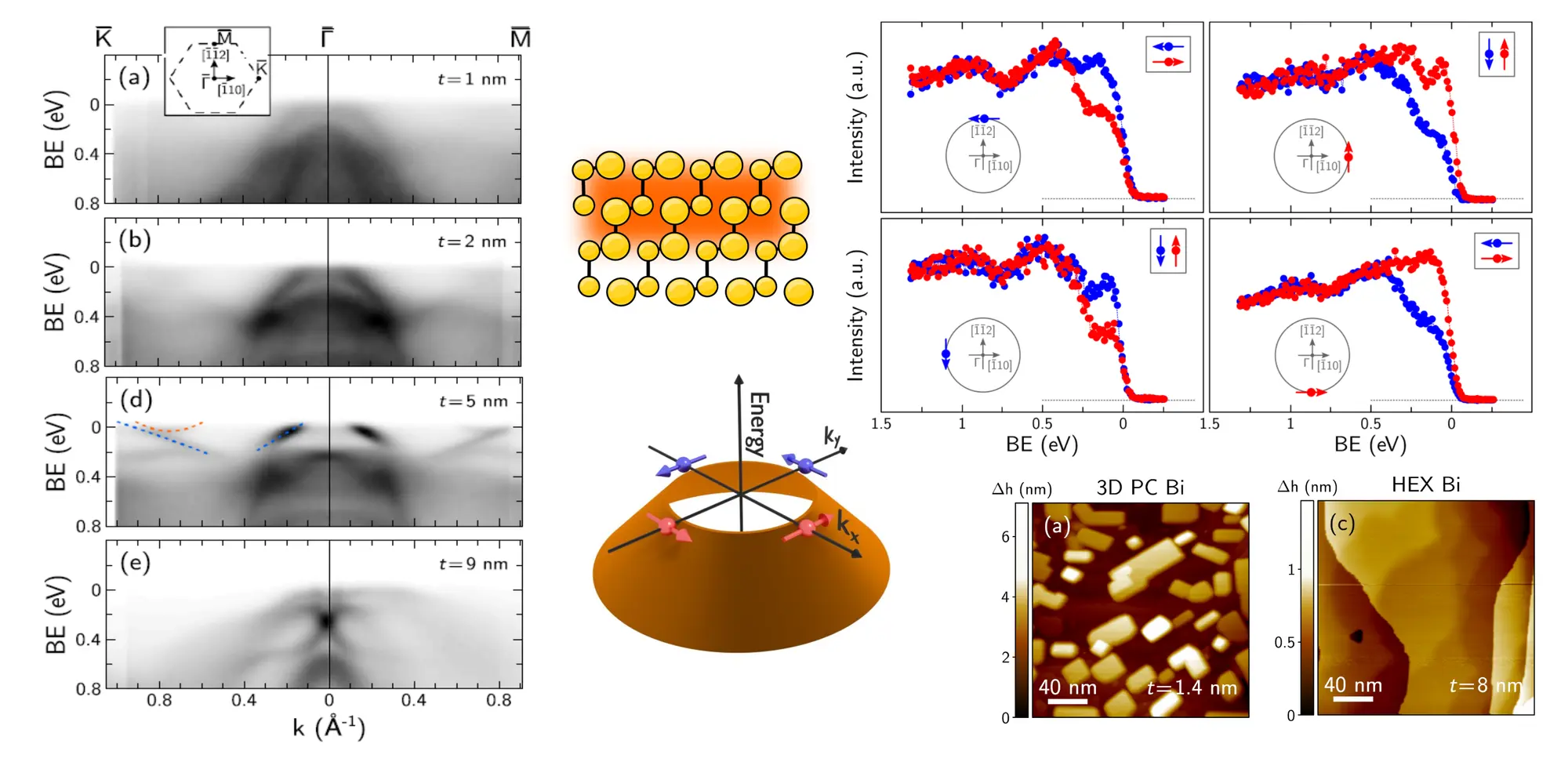
- C. Zucchetti et al. "Tuning spin-charge interconversion with quantum confinement in ultrathin bismuth films" Physical Review B 98, 184418 (2018)
- C. Zucchetti et al. "Spin-to-charge conversion for hot photoexcited electrons in germanium" Physical Review B 97, 125203 (2018)
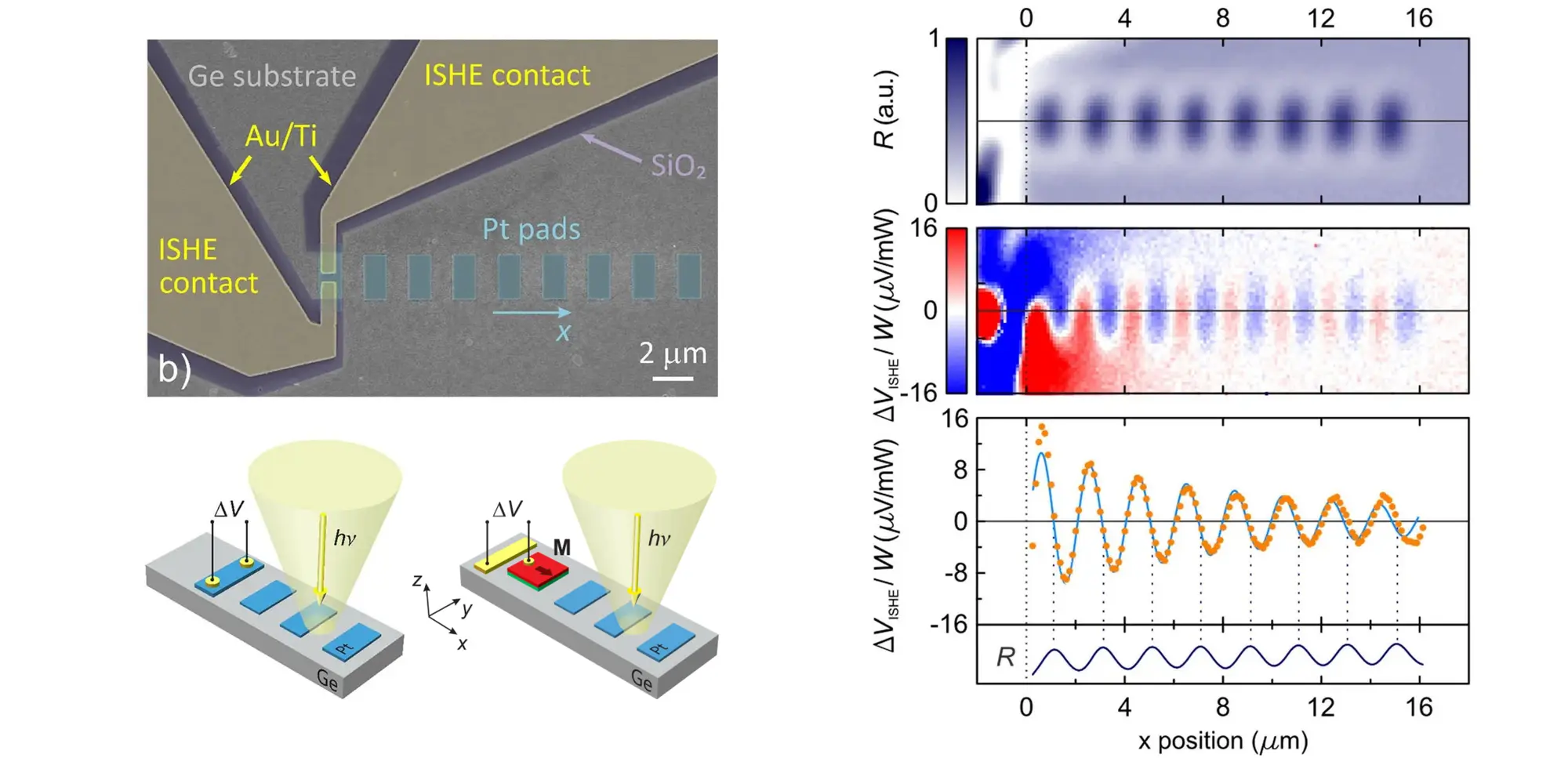
- C. Zucchetti et al. "Imaging spin diffusion in germanium at room temperature" Physical Review B 96, 014403 (2017)
- F. Bottegoni et al. "Spin-Hall voltage over a large length scale in bulk germanium" Physical Review Letters 118, 167402 (2017)
- F. Bottegoni et al. "Spin voltage generation through optical excitation of complementary spin populations" Nature Materials 13, 790 (2014)
Research projects
SPIGA
Find out moreMOSES
Find out more